Eighteenth edition
An established platform for accelerating air services agreements.
Equatorial Guinea opens its doors to the world as host of ICAN 2026. Malabo will bring together the international aviation community in a space for cooperation, connectivity and new opportunities.
The 18th ICAO Air Services Negotiation Event will provide States with a central platform for bilateral, regional and plurilateral negotiations, alongside meetings among authorities, regulators, air operators, airports, technology providers and service companies.
An established platform for accelerating air services agreements.
More than 162 States have used ICAN since it began.
Delegation meetings and business encounters throughout the week.
The working language will be English. Interpretation in Spanish, English and French will be available during the opening and closing ceremonies.
It concentrates multiple negotiations into a single week, reduces travel costs, builds institutional and commercial relationships and facilitates new routes, frequencies and cooperation agreements.
Institutions responsible for organizing ICAN 2026.
A specialized agency of the United Nations that facilitates cooperation among its 193 Member States and promotes the safe, orderly, efficient and sustainable development of international civil aviation. ICAO establishes common standards, policies and procedures relating to operational safety, aviation security, air navigation, travel facilitation, the economic development of air transport and environmental sustainability. Its work enables States to coordinate their aviation systems, adopt compatible technical criteria and strengthen their institutional capacities. Its strategic priorities include the safety of all flights, environmental sustainability, accessible and reliable mobility, and the economic development of air transport.
It is the national institution responsible for promoting compliance with the standards and requirements applicable to civil aviation. Its work contributes to strengthening operational safety, training aviation personnel, technical oversight and the orderly development of air transport in the country. At ICAN 2026, AAGE will play a central role as the host institution and representative of Equatorial Guinea’s civil aviation sector. Its participation will strengthen relations with other authorities, facilitate air services negotiations and promote new connectivity opportunities. Through this event, AAGE reaffirms its commitment to safe, modern, efficient and globally connected civil aviation in support of Equatorial Guinea’s economic and social development.
The portal links to ICAO official registration systems and adds a complementary form to coordinate the reception and protocol arrangements for delegations.
Registration is processed through ICAO’s official system by the focal points designated by each State.
Arrival details, flight, airport, hotel, head of delegation, VIP officials, mobility requirements and special assistance.
Official notices, press releases, programme changes and guidance for delegations.
Apply for registration directly through the ICAN 2026 portal. Your request will be reviewed by the accreditation team before approval.
The Sipopo International Conference Center, inaugurated in 2011 for the 17th African Union Summit, is one of Equatorial Guinea’s principal institutional facilities. It has five meeting rooms, a large plenary hall with an approximate capacity of 1,600 people, space for up to 68 delegations, bilateral meeting areas, VIP zones, press facilities and simultaneous interpretation, making it a strategic venue fully suited to hosting ICAN 2026.
An audiovisual tour of the venue rooms, auditoriums and services.
Documents, health, currency and climate: what to settle before boarding for Equatorial Guinea.

Check the requirements for your nationality. Travel with a valid passport, return ticket, letter of invitation, accommodation booking and travel insurance.

Central African CFA franc (XAF). Fixed parity: 1 euro = 655.957 XAF. It is advisable to carry cash for small expenses.

The Continental Region has a predominantly warm and humid climate. Lightweight, breathable clothing, a light jacket for air-conditioned interiors and comfortable footwear are recommended.

Guidance for heads of delegation, VIP officials, order of precedence and protocol services, coordinated with the department overseeing the event.
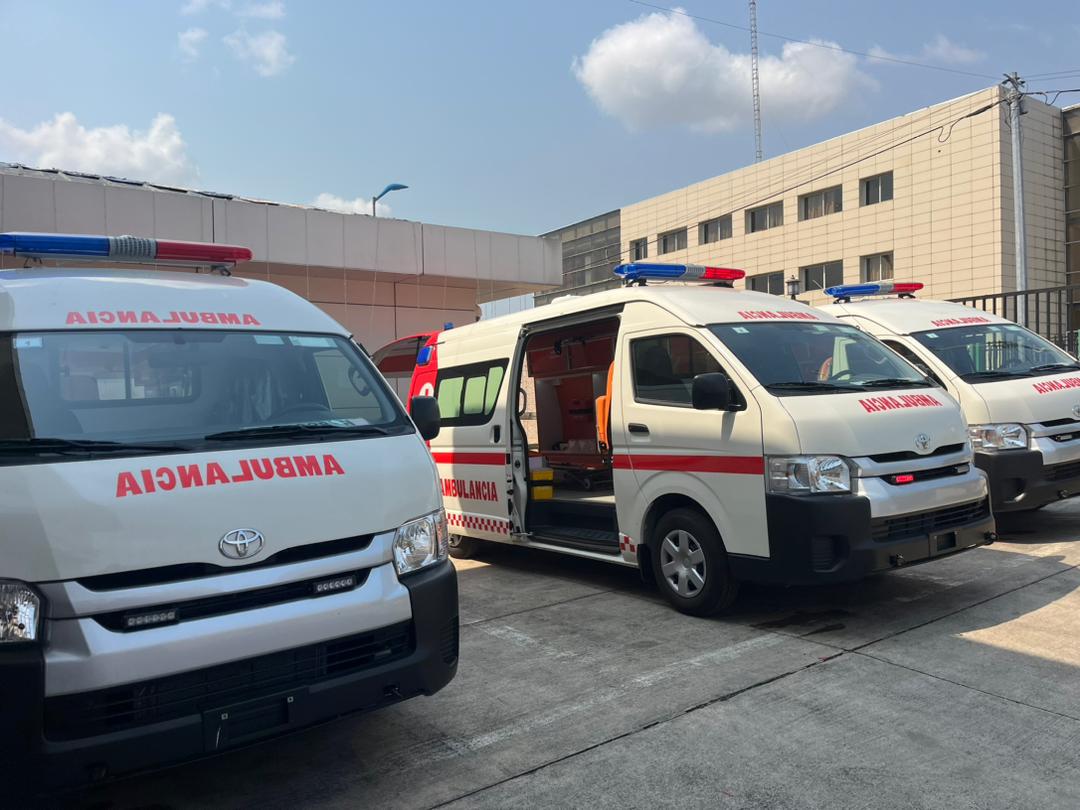
Official directory of ambulance, police, civil protection, consular assistance and event coordination contacts, issued to each delegation with their accreditation.

Timetables for official transfers between airports, the venue, approved hotels and institutional activities, published before the opening.
View the daily event schedule and the time blocks planned for meetings between delegations.
Reception of delegations, accreditation and opening ceremony.
Daily blocks for bilateral and regional meetings and scheduled encounters.
Final meetings, conclusions and closing ceremony.
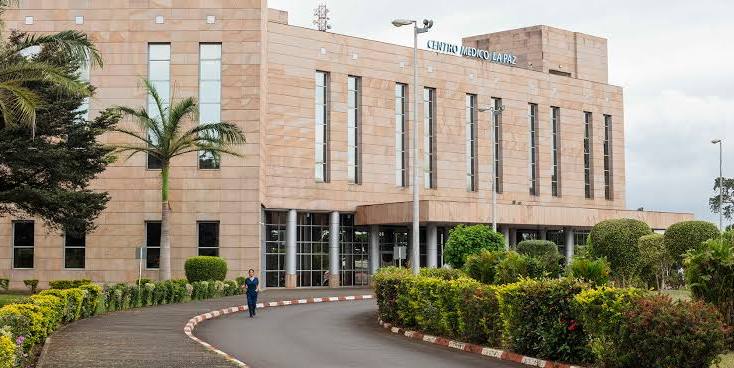
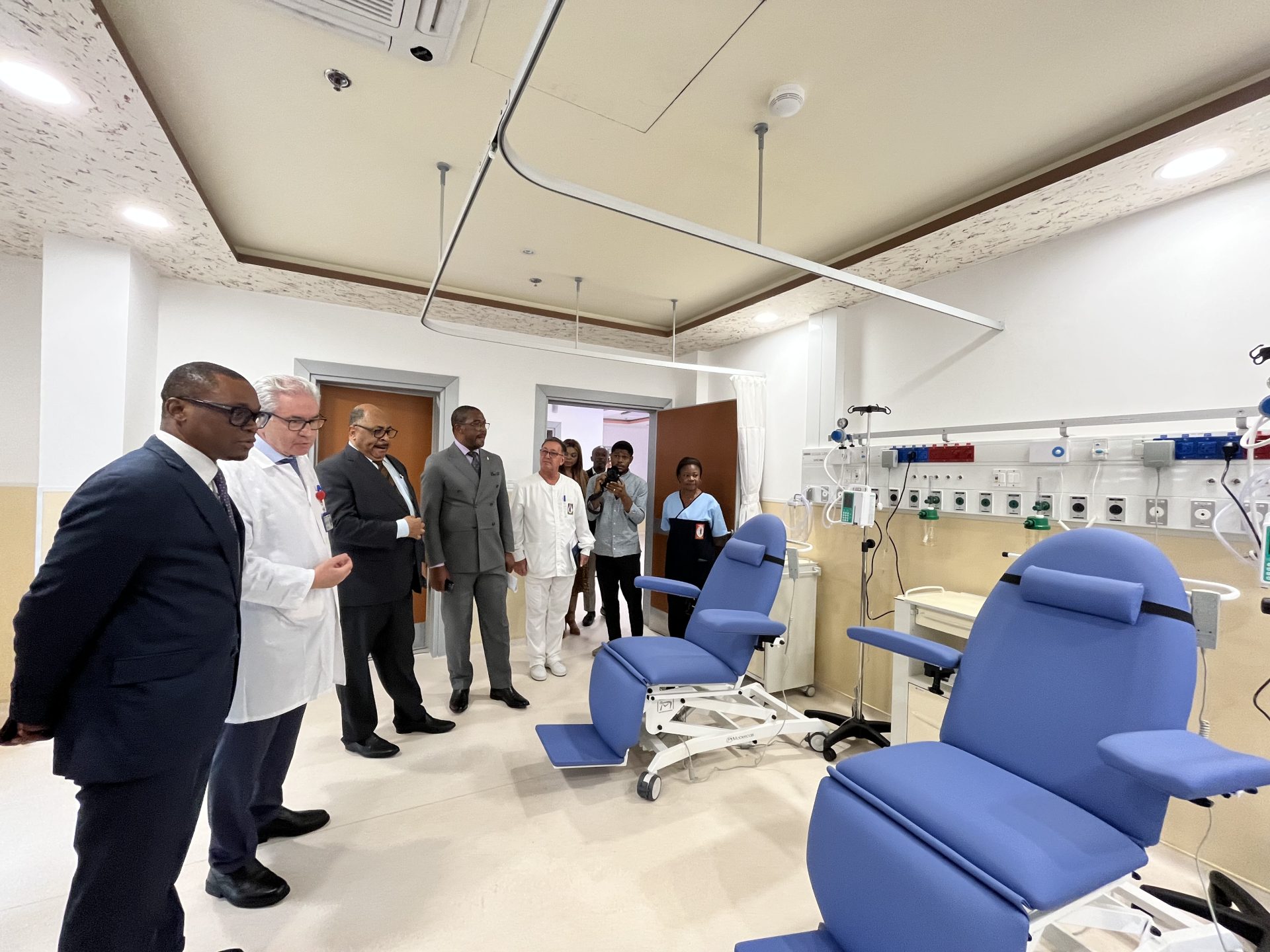
The reference medical centres in Malabo, Bata and Mongomo, together with ambulance and health coordination contacts, are communicated to delegations before the opening.
Institutional profile of the country: geography, development vision and geopolitical and aviation position in Central Africa and the Gulf of Guinea.
Explore a selection of landscapes, cities, culture and places of interest. Select any thumbnail to view it full screen and browse the entire collection.
Equatorial Guinea opens onto the Atlantic from the heart of Central Africa. The event will take place in Malabo, the national capital, on the island of Bioko: a volcanic territory of beaches, tropical forest and a modern city facing the sea.
The country combines the mainland region of Río Muni with the islands of Bioko, Annobón, Corisco, Elobey Grande, Elobey Chico and other islets. It is divided into eight provinces: Bioko Norte, Bioko Sur, Litoral, Centro Sur, Kié-Ntem, Wele-Nzas, Annobón and Djibloho.
Malabo lies on the northern coast of Bioko Island, facing the Gulf of Guinea, and brings together the institutions of the State, the international airport and the Sipopo complex, venue of the conference.
Equatorial Guinea is promoting diversification into agriculture, fisheries, mining, tourism, information technology, services and industry. For ICAN participants, better air connectivity can translate into more trade, tourism, investment, academic cooperation and regional integration.
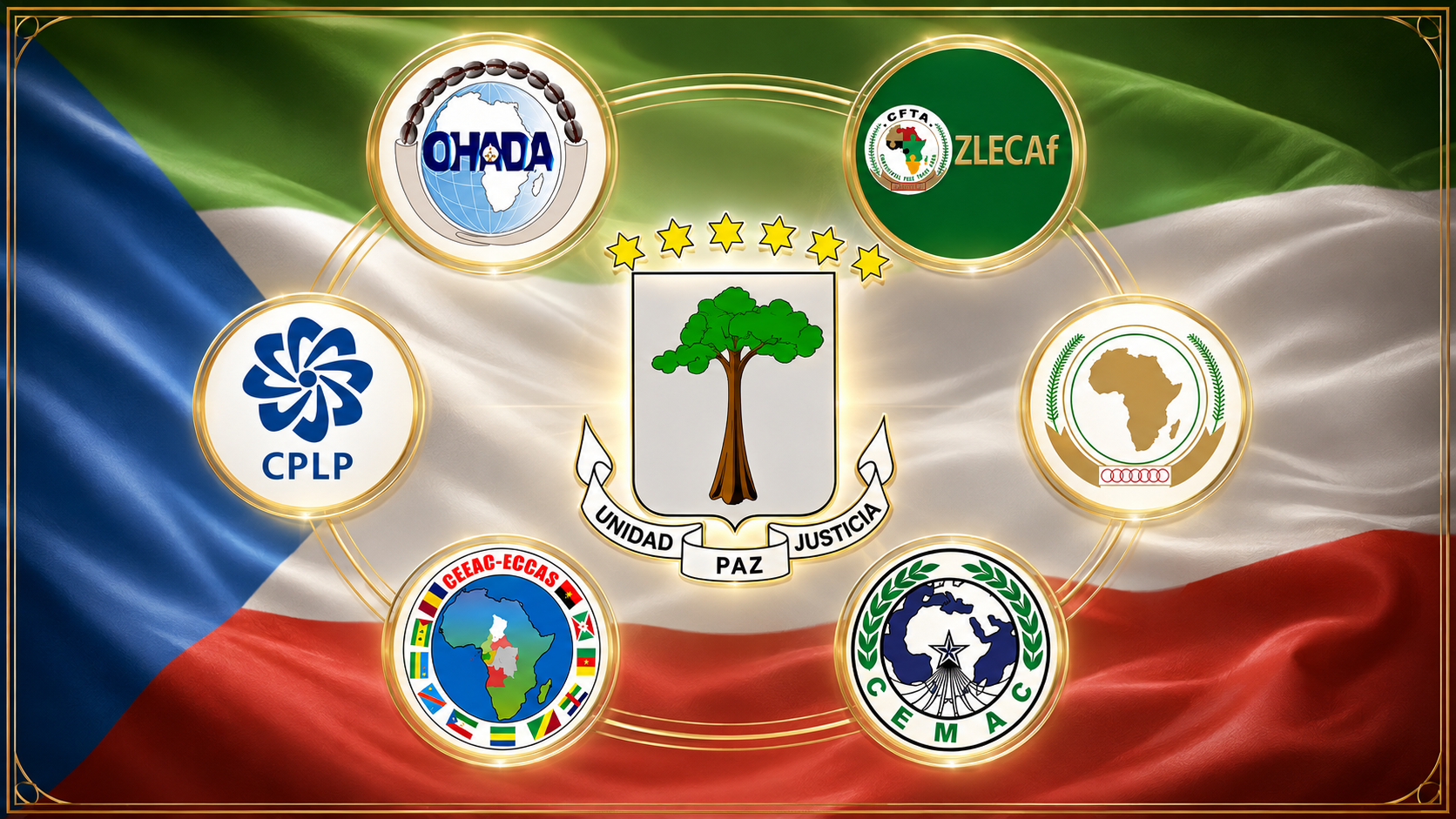
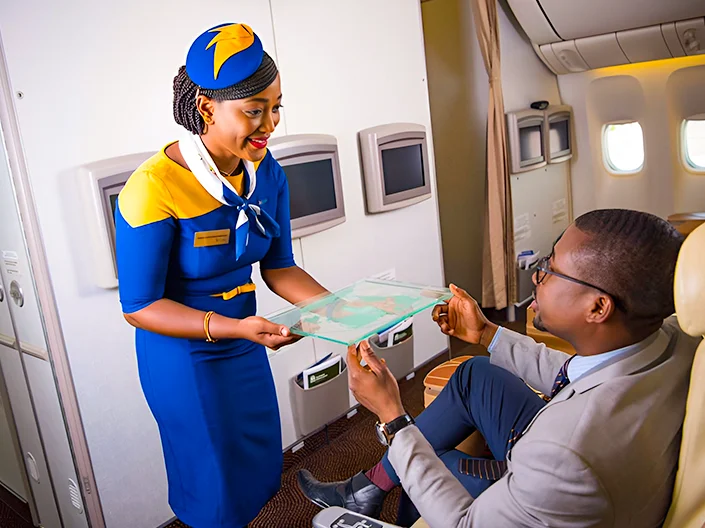
The country has approved a special regime to attract industrial, logistics and services investment: long-term tax advantages, simplified procedures and legal safeguards comparable to those of any international business hub. This is what it offers to those who decide to establish their operations here.
Special Economic Zones establish a differentiated environment to facilitate the establishment of industrial, logistics and services projects. Their objective is to reduce barriers to entry and provide clear conditions for long-term investment.
The regime allows incentives to be structured to support the establishment, development and consolidation of new economic activities, improving the competitiveness of projects established in the country.
Simplified procedures are intended to reduce implementation times and facilitate the administrative coordination required to launch new operations and infrastructure.
Legal safeguards and a defined regulatory framework are essential to provide predictability, protect investment commitments and foster sustainable business relationships.
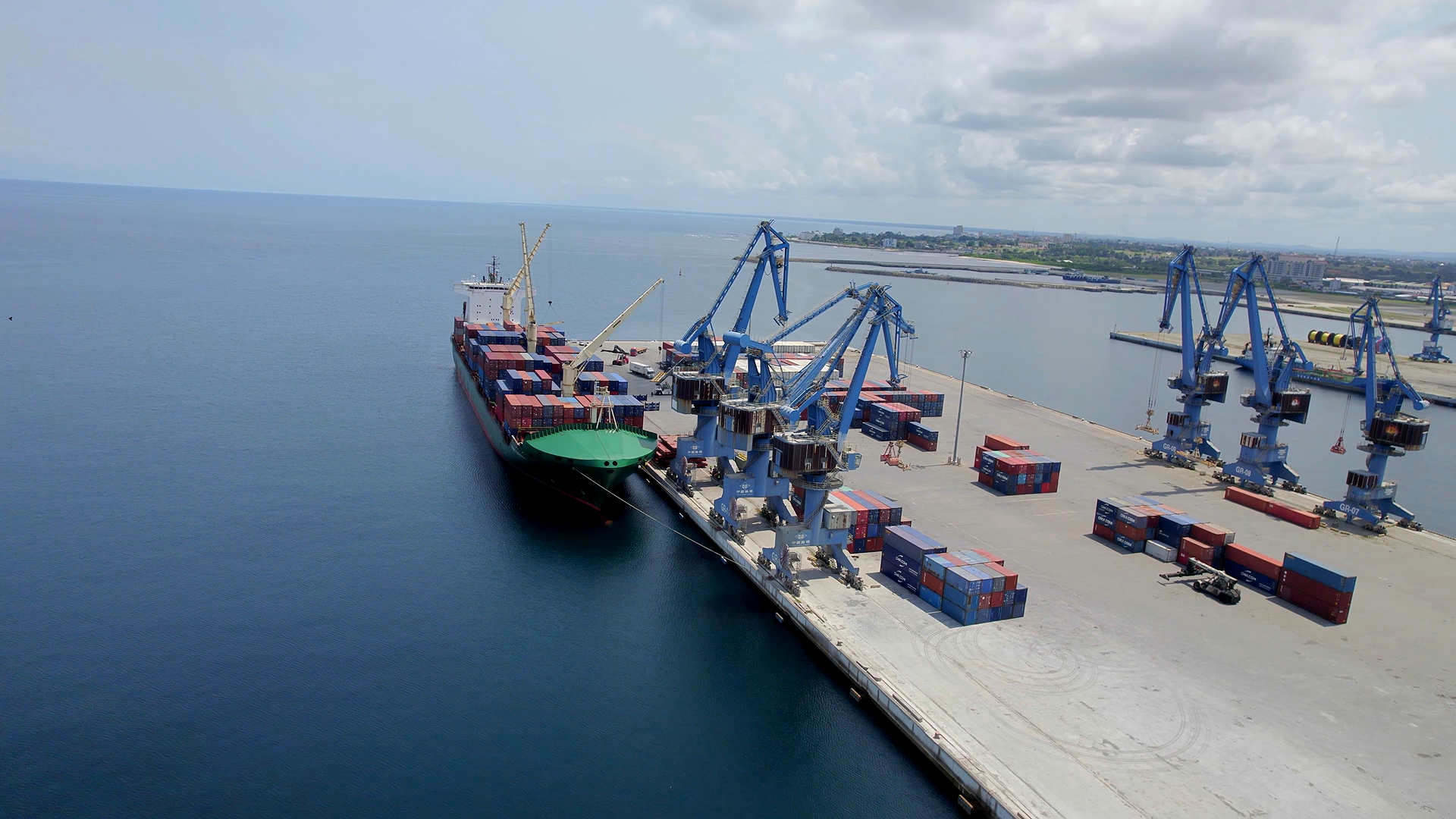
Equatorial Guinea’s geographical position, its airport and port infrastructure and its connection with Central Africa make it possible to position the zones as a platform for regional operations, distribution, services and new value chains.
Destinations, cuisine, culture, travel agencies and the directory of approved hotels for the conference.
The visitor experience is organised by territory, prioritising Malabo and Bioko Island, together with planned extensions to the Continental Region, Corisco and other island destinations.
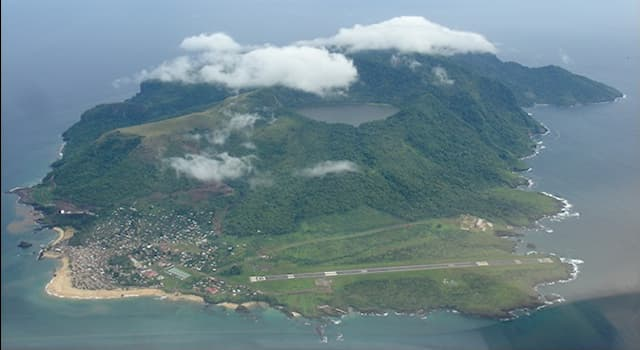




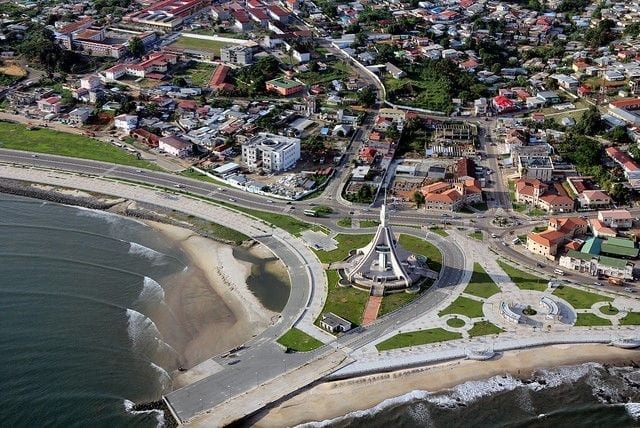
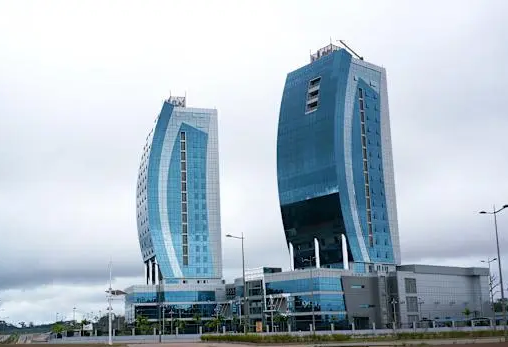
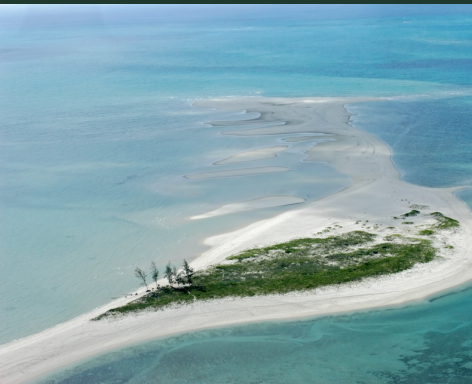


Fish and seafood, plantain, cassava, taro, peanuts, tropical fruit and traditional dishes from the Fang, Bubi and Ndowé communities.
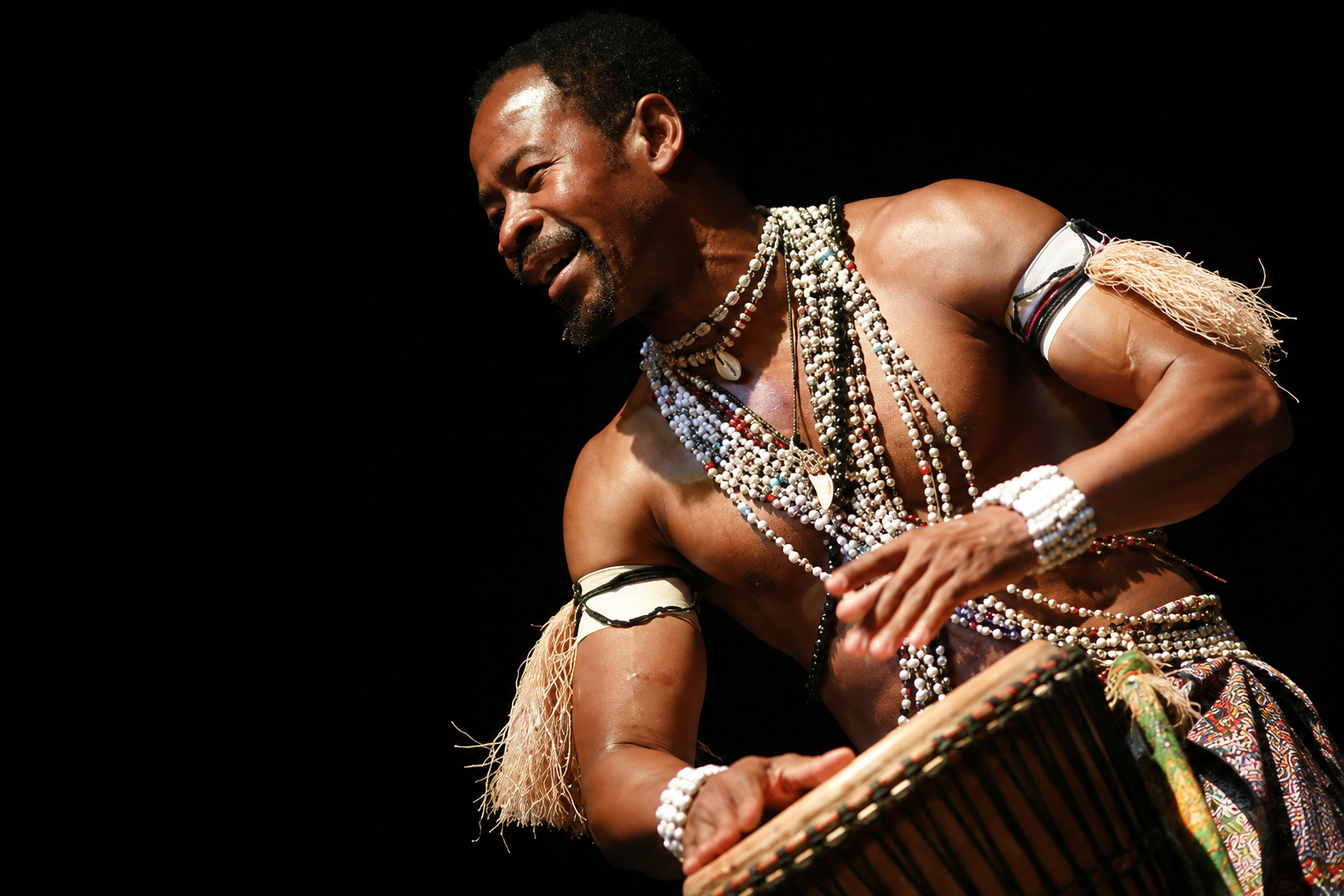
Oral heritage, music, dance, basketry, wood carving, textiles and cultural expressions reflecting the country’s historical diversity.
Agencies operating in Equatorial Guinea for tickets, transfers, excursions and on-site assistance.
No agencies match that search.
Accommodation is arranged primarily in Malabo and around Sipopo, subject to availability and the official transport plan. Official room allocations, negotiated rates and transfer routes are communicated to accredited delegations.
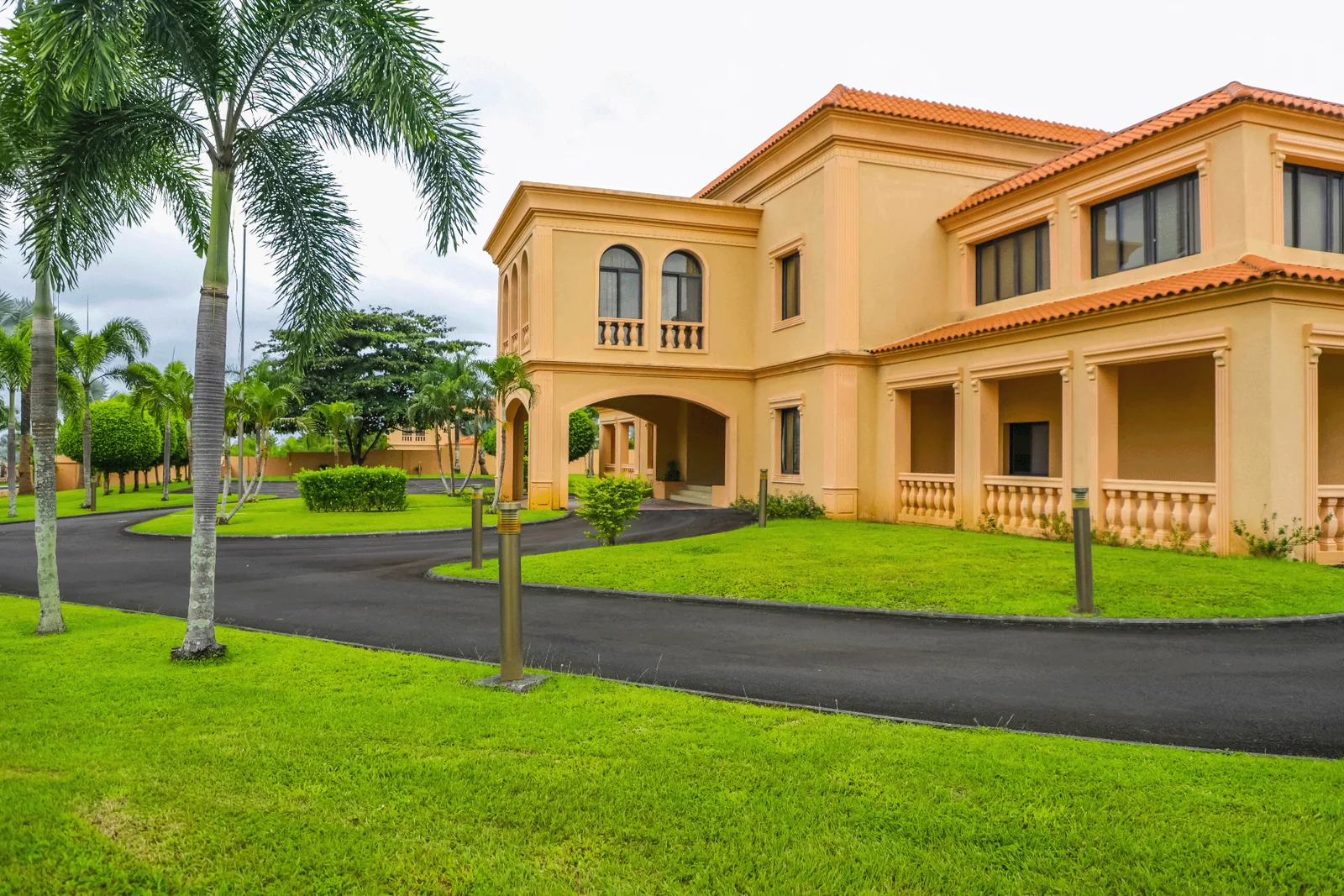 Malabo · 5 stars
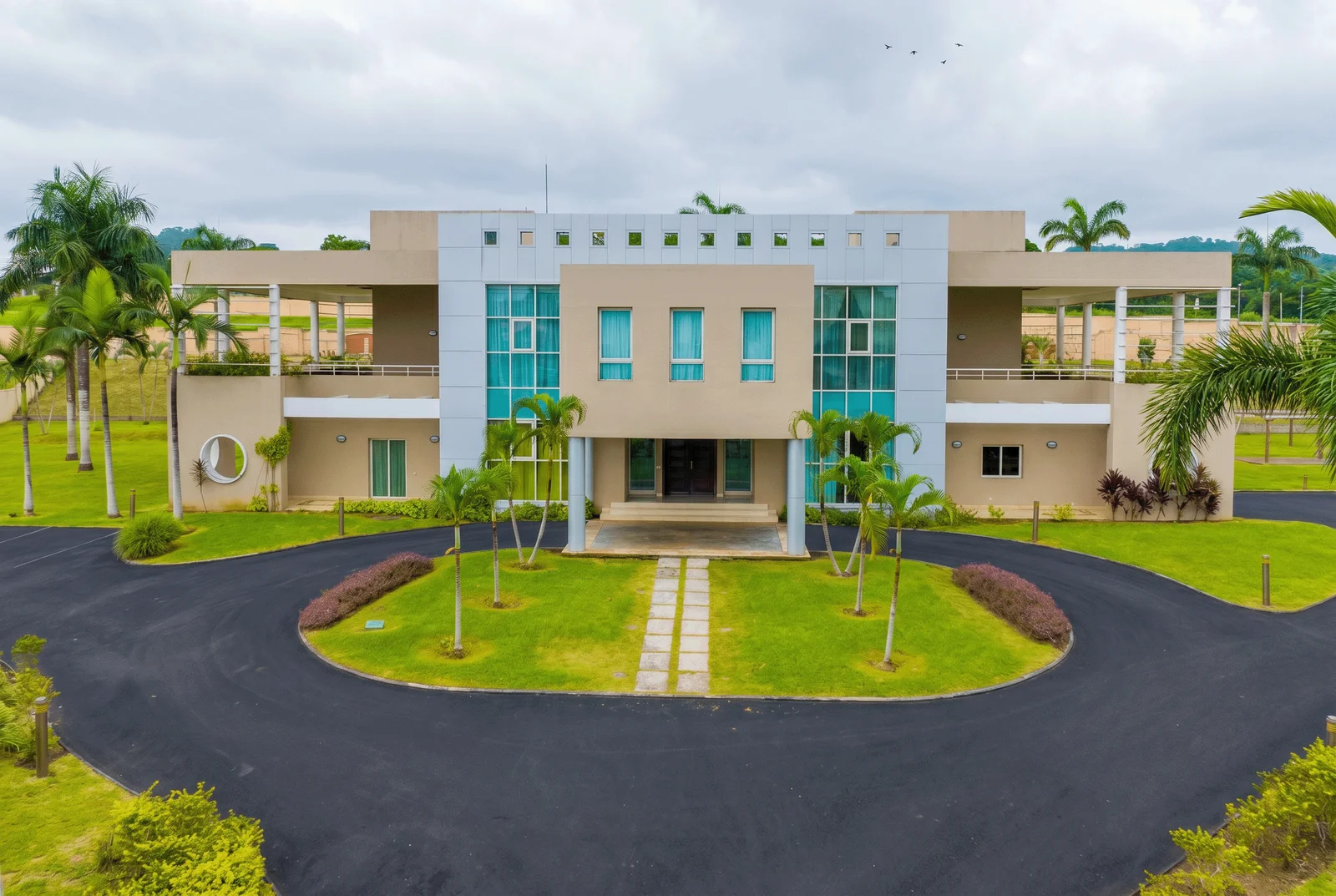 Malabo · 5 stars
 Malabo · 5 stars
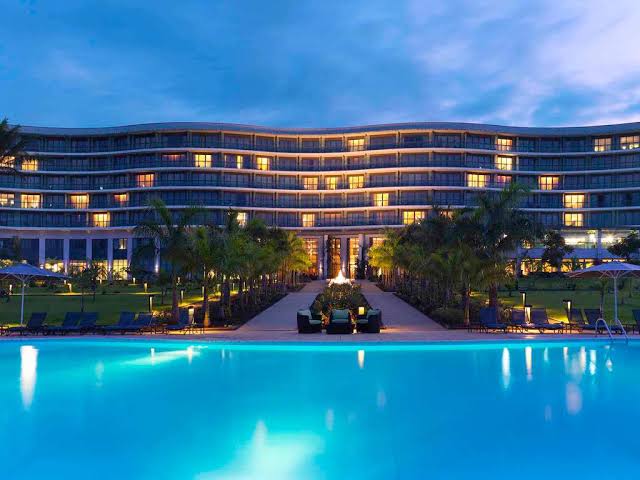 Malabo · 5 stars
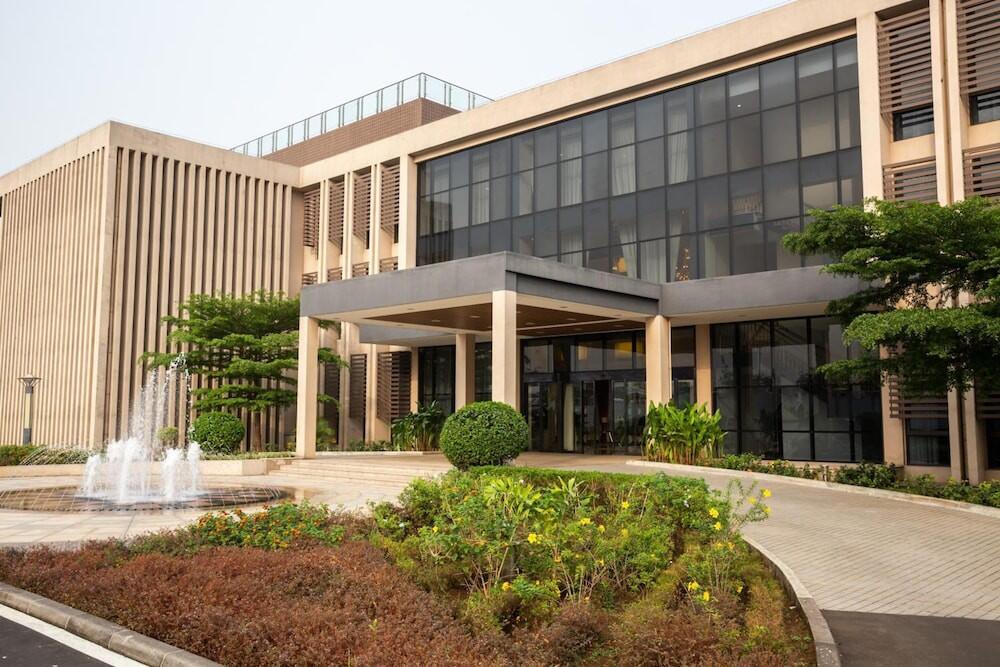 Malabo · 4 stars
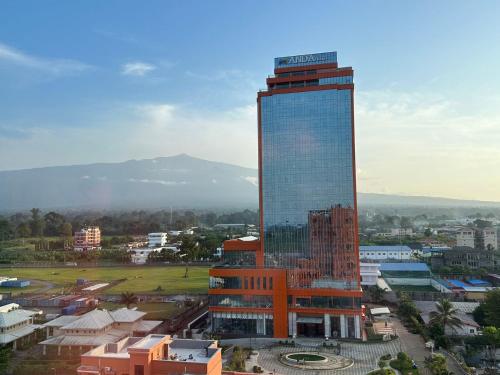 Malabo · 5 stars
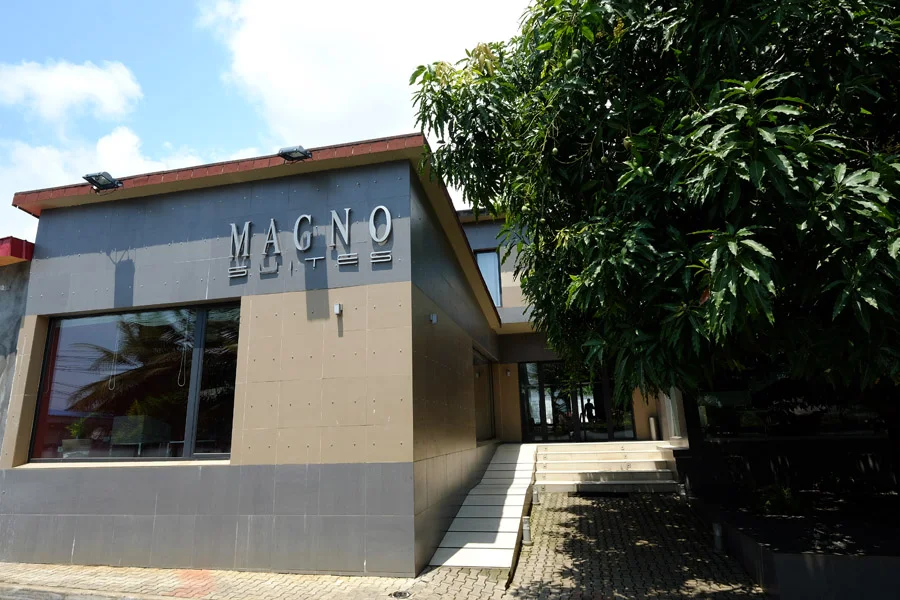 Malabo · 3 stars
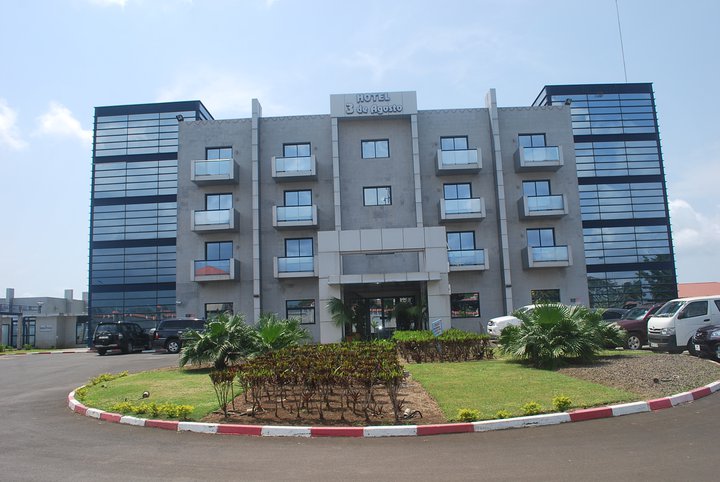 Malabo · 4 stars
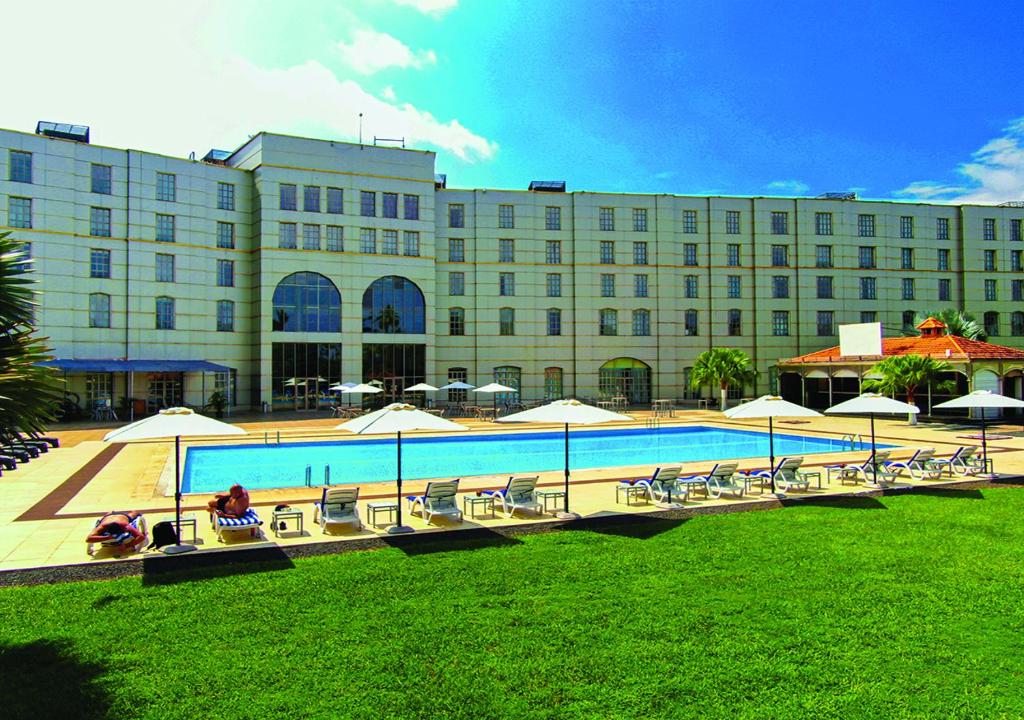 Malabo · 4 stars
No accommodation matches that search.
An overview of the international airports of Malabo, Bata and Mongomeyen and of connectivity between the Insular and Continental Regions.
Aviation has been part of Equatorial Guinea’s modern history for a century. In 1926, the arrival of the Atlántida Patrol in Santa Isabel, now Malabo, marked one of the country’s first major aviation milestones. In 1931, the historic Seville–Bata flight once again placed Equatorial Guinean territory on the major air routes of the era. Over the years, aviation became an essential link between Bioko and the Continental Region, connecting people, families and territories. After independence, national airlines such as LAGE, Ecuato Guineana de Aviación and CEIBA Intercontinental emerged, while the country developed and modernised its main airport infrastructure. Today, Equatorial Guinea looks to the skies with new ambitions: greater connectivity, more cooperation and new gateways to Africa and the world.
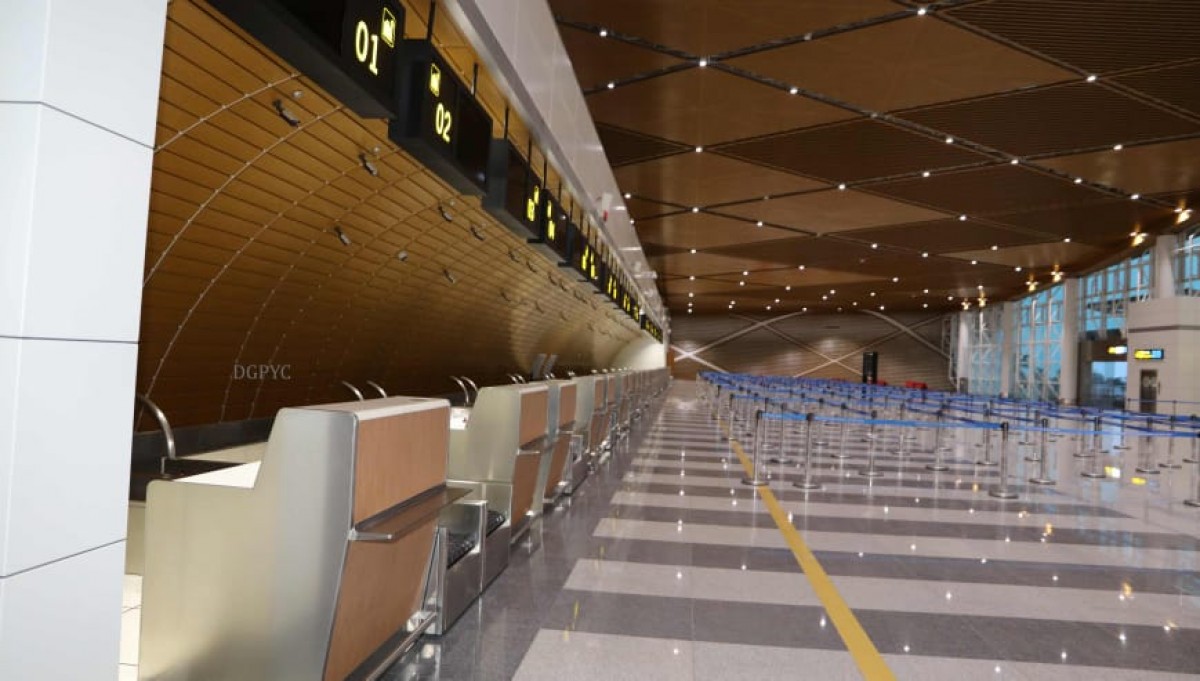
The national airport network connects the Island and Continental Regions and facilitates the movement of delegations, operators and services linked to ICAN 2026.
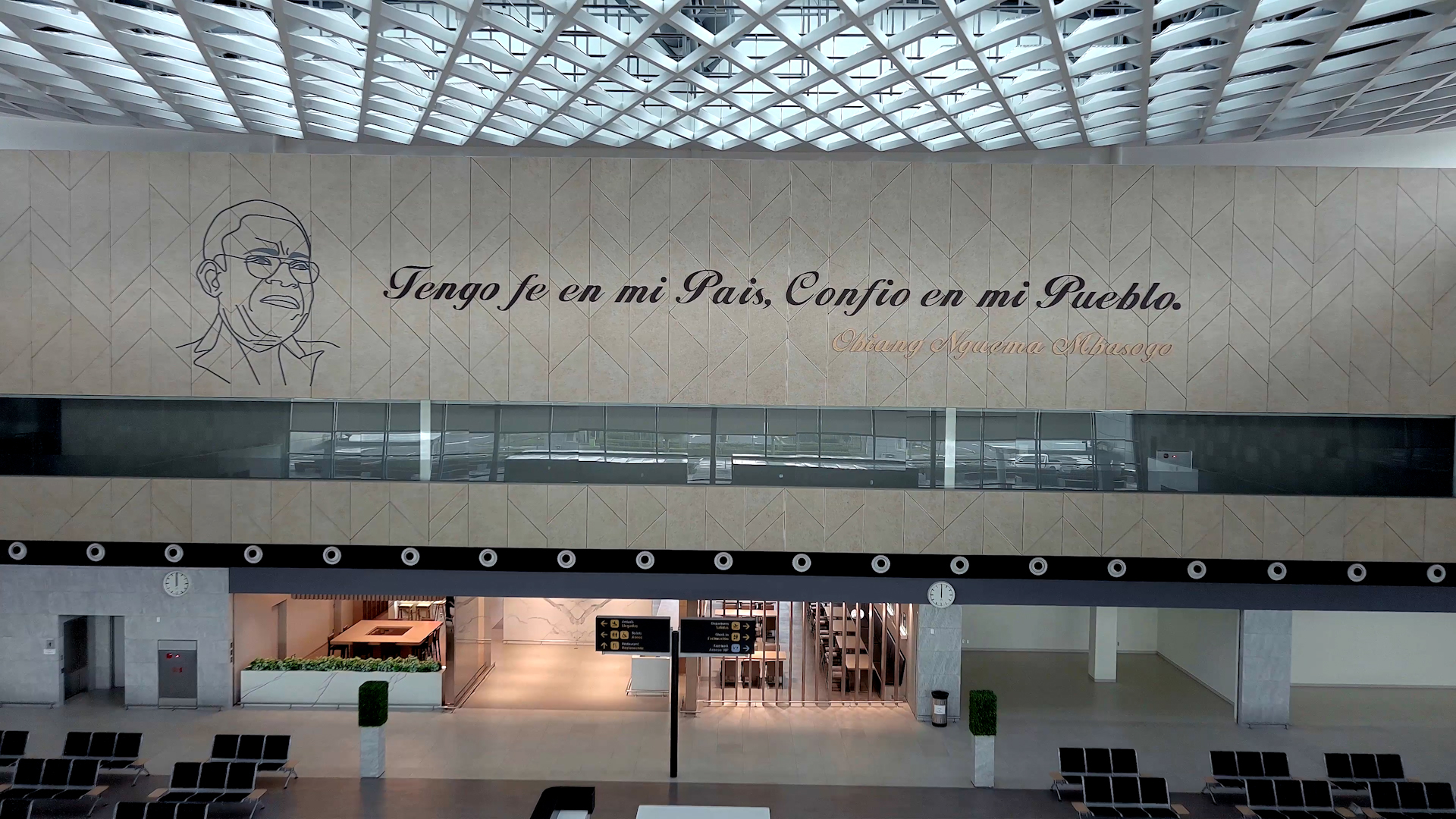 BSG / FGBT
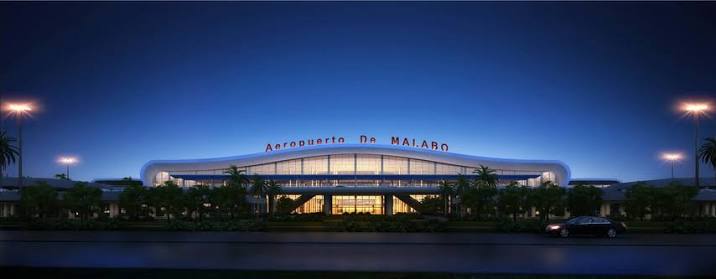 BSG / FGBT
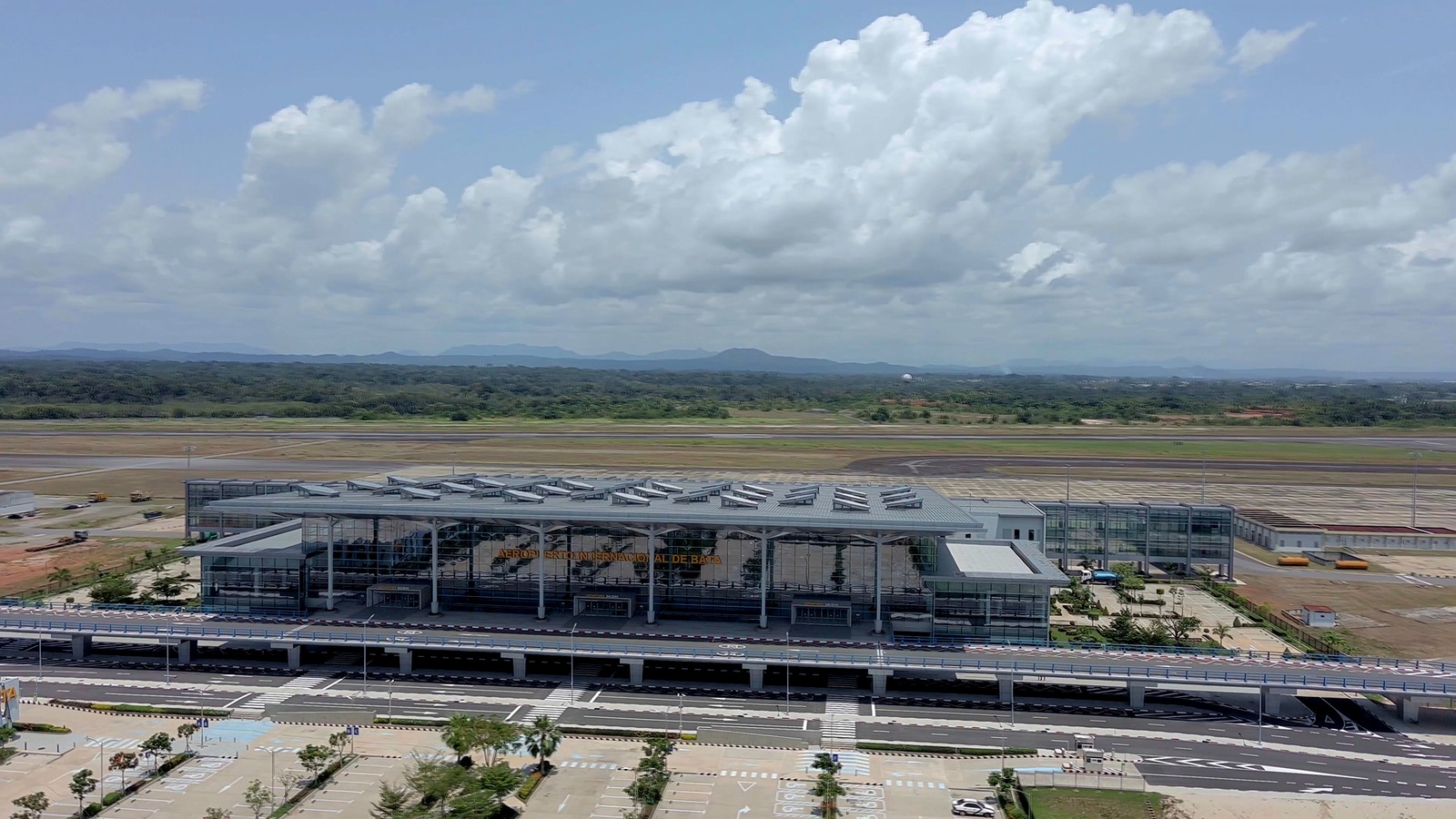 BSG / FGBT
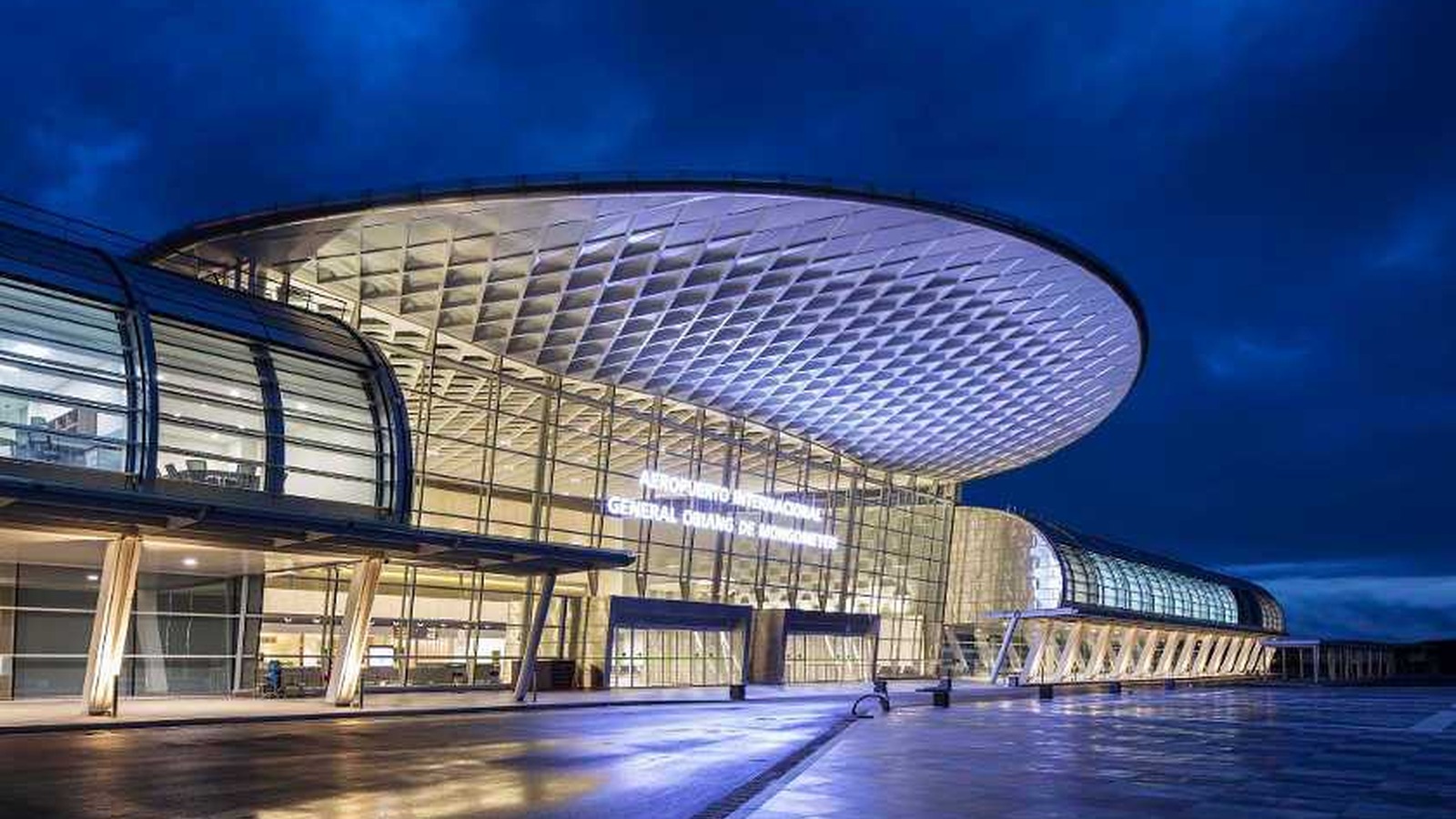 GEM
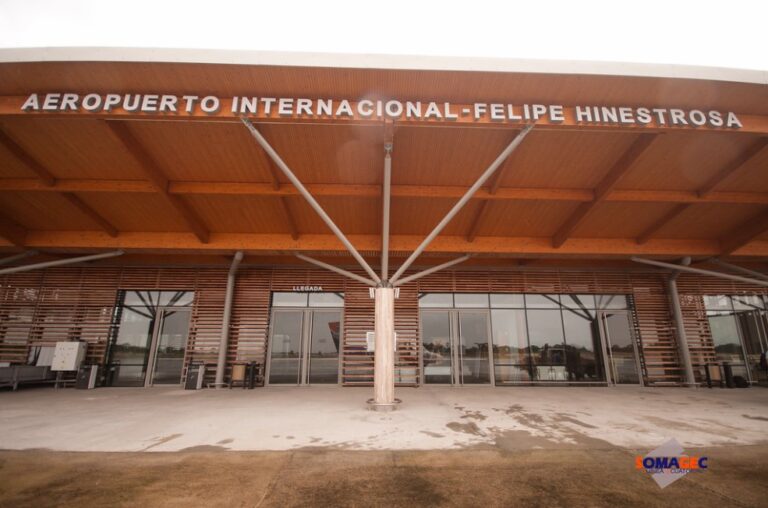 OCS / FGCO
Airlines operating domestic, regional or international services to Equatorial Guinea. December routes and frequencies must be confirmed with each airline or travel agency.
Domestic and regional connections.
Official website
Domestic and regional operations subject to schedule.
Official website
Connections via Lomé and other African destinations.
Official website
Connections in Central and West Africa.
Official website
Connections via Addis Ababa, with an extensive African and intercontinental network.
Official website
International connections subject to the event schedule.
Official website
Provides regular connections between Equatorial Guinea and several key destinations in Africa
Official website
Connections via Casablanca, subject to schedule.
Official website
Connections via Europe with onward services to Equatorial Guinea.
Official websiteOfficial conference documentation, available to download and consult.
Institutional resources
They are published progressively in this section as they are approved by the organising committee and the supervising ministry.
Ask any question related to ICAN 2026. I will answer in your language using only official event information.


